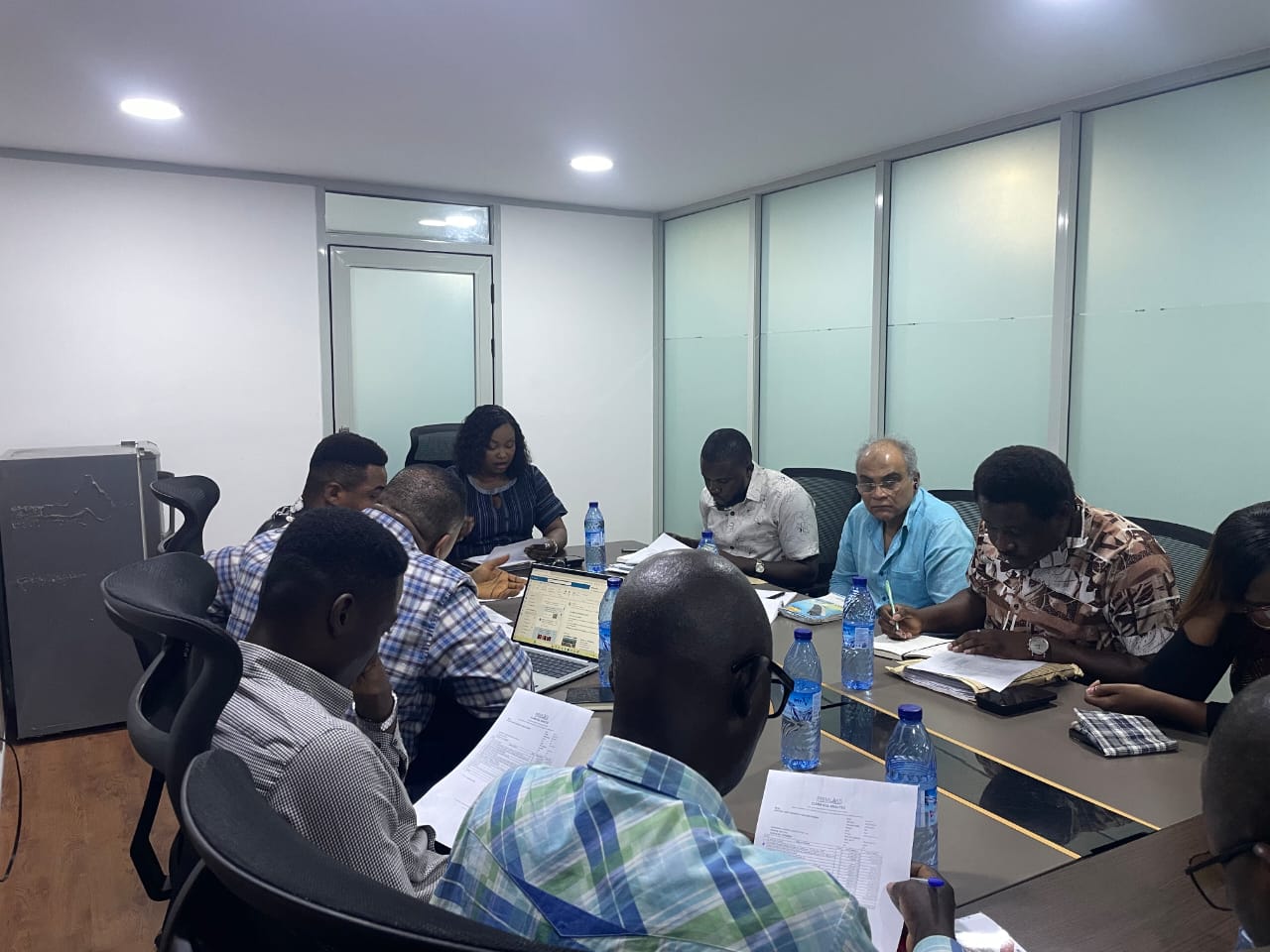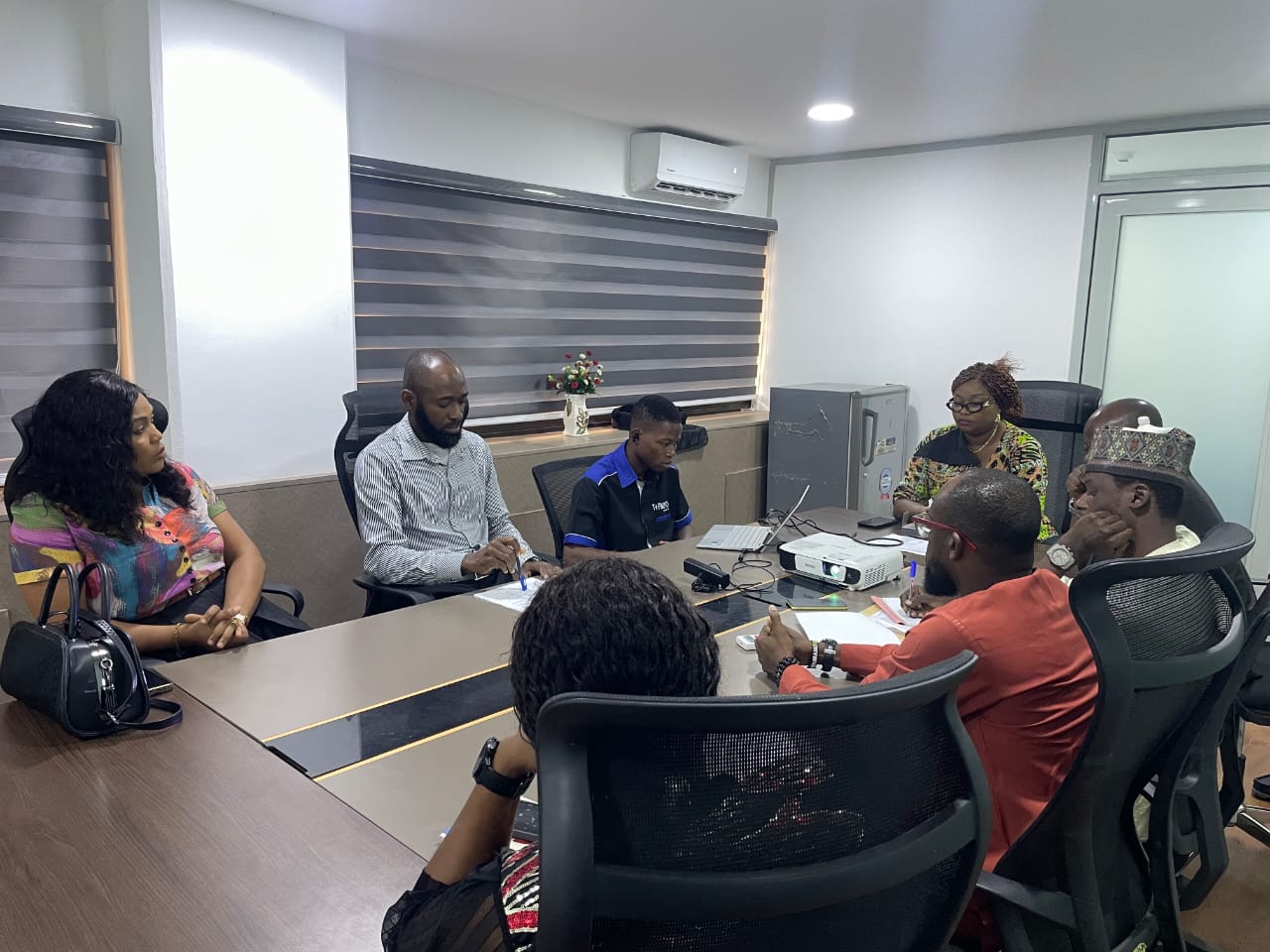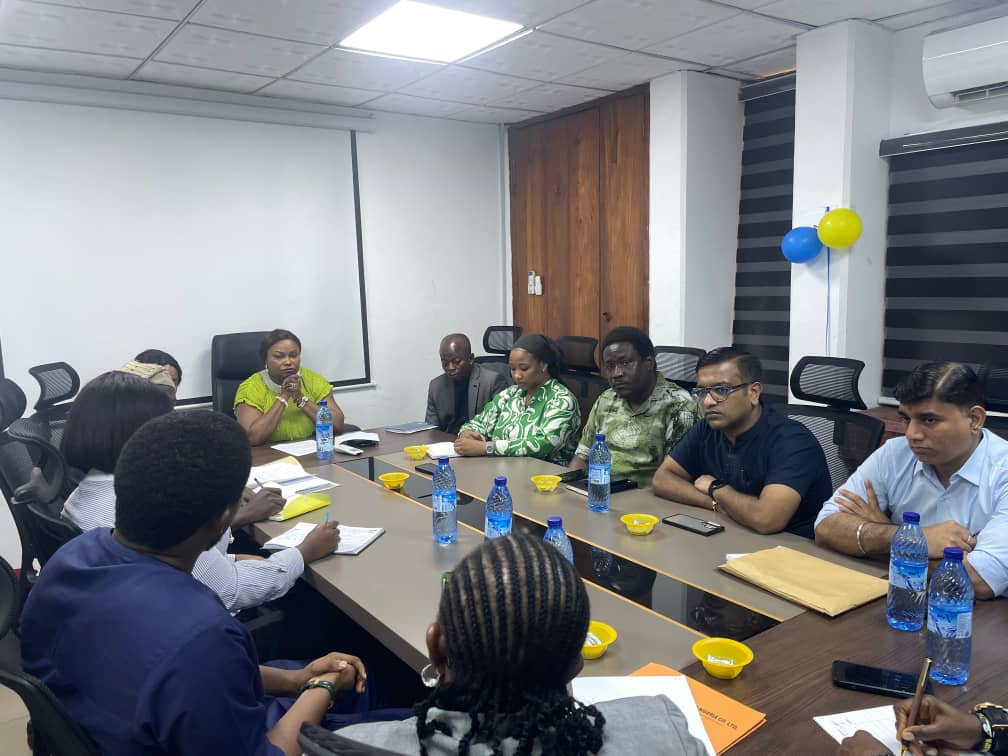





The Nigerian Ports Economic Regulatory Agency (NPERA) has resolved a cold-chain breach and reefer cargo damage complaint, holding that both Lekki Freeport Terminal (Lekki Free Trade Zone) and CMA CGM Shipping Line Nigeria Limited were negligent in handling a refrigerated Consignment of ripe Plantain. Following a tripartite mediation process that convened on November 12, 2026, and concluded on Wednesday, November 18, 2026, at NPERA Headquarters, the regulator ordered both Service Providers to jointly absorb 70% of the outstanding perishable cargo claim, leaving the cargo owner to bear the remaining 30%.
The Head of NPERA’s Complaints Unit, Dr. Juliana O. Saka, chaired the mediation session convened to resolve allegations of custodial negligence, uncommunicated shore-power failure, and temperature excursion. Following opening remarks and formal introductions by the Parties, Dr. Saka invited the Case Handler, Mr. James Okediya, to brief the meeting. Mr. Okediya outlined the core parameters of the cold-chain complaint alongside a summary of the initial mediation session, which had uncovered critical discrepancies in reefer temperature logs, delays in transmitting telemetry and monitoring data, and unresolved questions regarding the mechanical integrity of the container’s refrigeration machinery. At that earlier sitting, CMA CGM had been directed to submit its internal claims investigation report, while the terminal operator was ordered to produce its temperature monitoring logs and Pre-Trip Inspection (PTI) documentation.
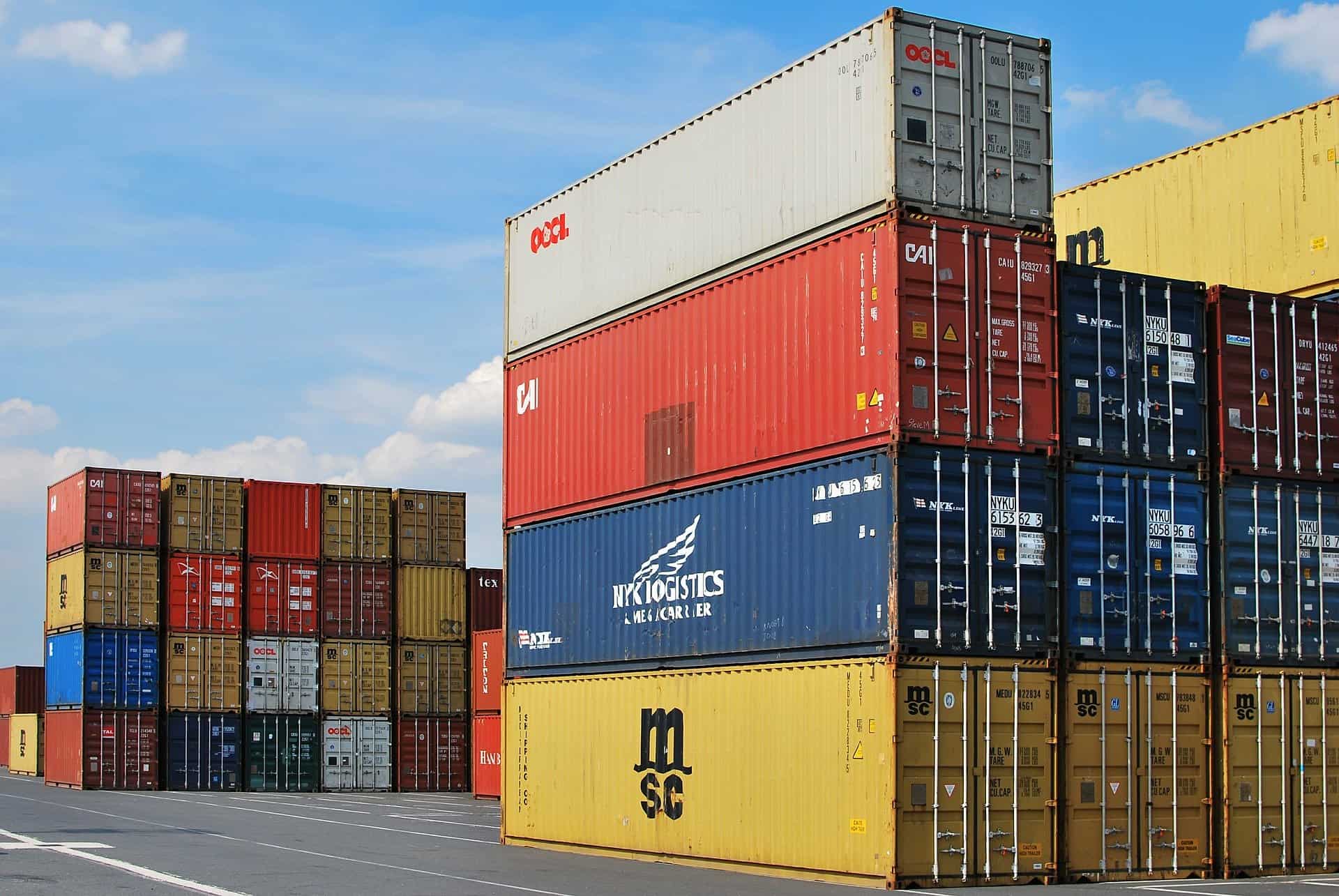
The dispute centered on a 1X20FT refrigerated container (CGMU3071318) carrying perishable ripe Plantain under a strict frozen-carriage setpoint of -25°C. Because cold-chain integrity depends on an unbroken chain of custody and continuous shore-power supply, the complaint hinged on pinpointing where and when the thermal excursion occurred.
The Complainant’s Case (Thermal Excursion & Power Failure) : The cargo interest, referenced in the settlement resolutions as Venus Food Nigeria Limited (alongside Primlaks Nigeria Limited), filed a formal cargo spoilage claim alleging that the Consignment suffered severe temperature abuse while in the yard custody of Lekki Freeport Terminal, rendering the produce commercially worthless. Contesting the terminal’s timeline, the Complainant maintained that the reefer discharged in sound condition and deteriorated strictly during terminal storage. Specifically, the shipper alleged an uncommunicated shore-power outage between May 27 and May 28, citing a return air temperature reading of approximately -4°C, a supply air reading surging to roughly 20°C (a 45-degree deviation from the required -25°C setpoint), and an AM50 alarm code indicating a critical refrigeration unit fault.
CMA-CGM’s (Custodial Liability Defense) : Reporting on its internal claims review, CMA CGM argued that any thermal deviation occurred within the terminal yard rather than aboard its vessel. Relying on a port-to-port custody defense, the carrier contended that liability rested solely with the terminal operator, which controlled yard shore-power supply and reefer plug-in monitoring.
Lekki Freeport Terminal’s Defense (Set-Point & Discharge Dispute): Representatives for the terminal stated that Standard Operating Procedure involves plugging in arriving reefers and maintaining the setpoint instructed by the carrier. Attempting to shift the onset of the cold-chain breach back to the ocean leg, the terminal claimed the unit discharged at approximately -8°C before being set to -25°C, asserting that its personnel conduct four-hourly manual checks and report anomalies to the shipping line. However, the terminal failed to produce complete reefer data logs at the meeting, and NPERA noted a total absence of Equipment Interchange Receipts (EIR) or discharge logs to substantiate the alleged -8°C arrival temperature.
Dr. Saka rejected CMA CGM’s attempt to shift full liability onto the terminal, grounding her position in the contractual relationship under the Bill of Lading. She emphasized that the shipper’s contract of carriage was executed directly with the shipping line; consequently, the carrier could not completely absolve itself of a cold-chain cargo claim and bore a duty to collaborate with its nominated terminal partner to investigate the excursion.
In addition, NPERA identified glaring contradictions between the terminal operator’s and the carrier’s accounts regarding how temperature anomalies were escalated. The Agency underscored that in refrigerated logistics, while a terminal sets reefer parameters per the carrier’s manifest instructions, it retains a non-delegable duty of care as Cargo Custodian to actively monitor plugged-in units in its custody and immediately escalate thermal excursions, power outages, or machinery fault codes.
Financial disclosures presented during the cargo claim proceedings established the shipper’s total landed expenditure on the Consignment at ₦53,031,050.00. Following a marine cargo insurance indemnity payout of approximately ₦40,000,000.00, the net unrecovered claim stood at roughly ₦13,031,612.40.
Following extensive deliberations on the cold-chain complaint, NPERA issued the following resolutions:
- The Agency affirmed that a valid contract of carriage and terminal handling transaction took place involving 1X20FT reefer container of ripe Plantain among Venus Food Nigeria Limited, CMA CGM Shipping Line Nigeria Limited, and Lekki Free Trade Zone Terminal.
- The Agency established that Lekki Free Trade Zone Terminal was negligent in the service rendered to Primlaks Nigeria Limited, evidenced by its failure to produce the requested reefer temperature data logs and monitoring records.
- The Agency noted that Lekki Freeport Terminal failed to provide sufficient supporting documentation, including PTI and gate-in/discharge temperature records, to substantiate its defense regarding the container’s arrival condition.
- The Agency established operational lapses on the part of CMA CGM Shipping Line Nigeria Limited for failing to adequately follow up on the shipper’s formal request for an investigation into the reported thermal excursions.
- Having established contributory negligence on the part of both Service Providers in the cold-chain breach, and in the interest of an equitable commercial settlement, NPERA directed that CMA CGM and Lekki Free Trade Zone Terminal shall jointly bear 70% of the net claim. In comparison, Venus Food Nigeria Limited shall bear the remaining 30%.
- The Agency directed all parties to comply with the settlement terms and submit documented proof of payment to NPERA on or before Wednesday, December 2, 2026.